Italian Bread Rustic Crusty
Highlighted under: Old-Fashioned Comfort Eats
Discover the art of making authentic Italian bread with a rustic, crusty exterior and soft, airy interior.
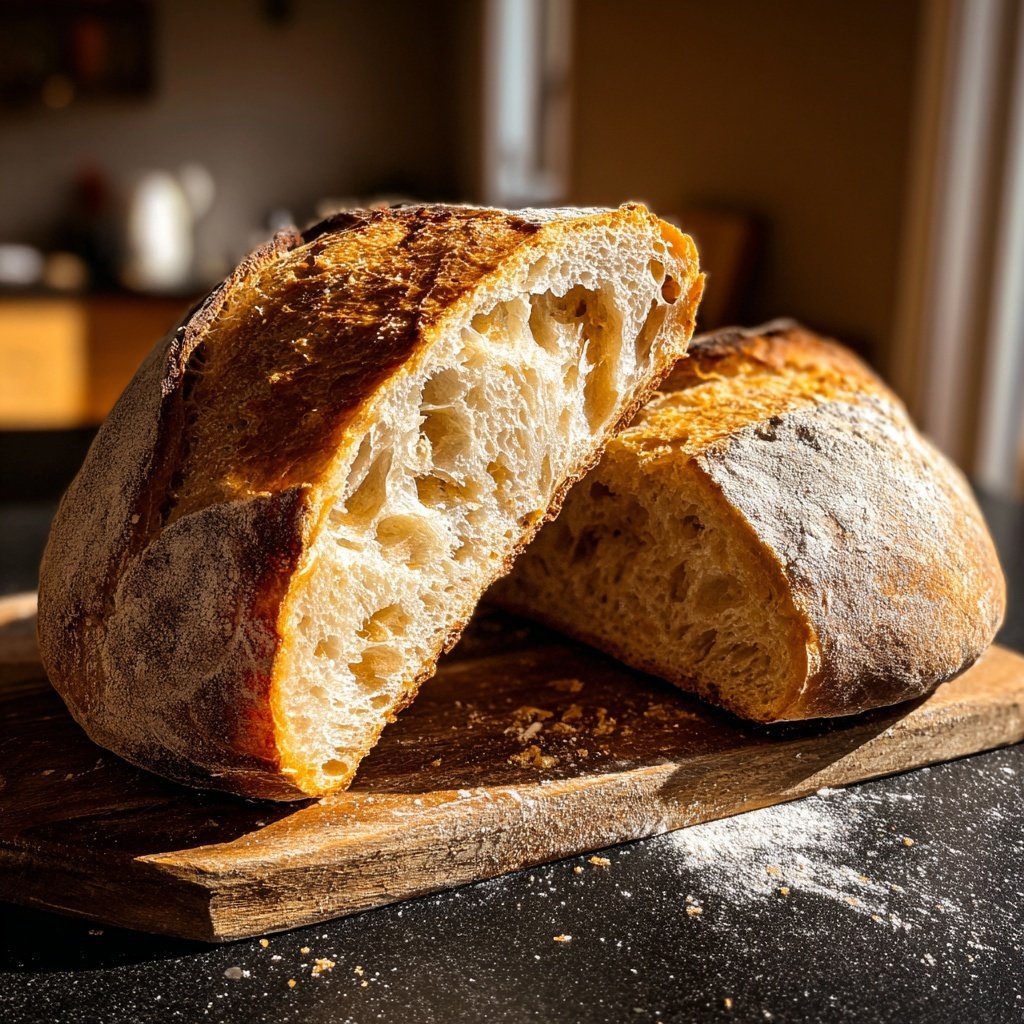
This Italian bread recipe will transport you to the streets of Rome with its authentic flavors and textures. Perfect for serving alongside meals or as a base for sandwiches, this rustic loaf is a must-try!
Why You'll Love This Recipe
- Crusty golden exterior with a soft and airy crumb
- Simple ingredients and traditional methods for authentic taste
- Perfect for pairing with olive oil, cheese, or your favorite spreads
The Secret to a Perfect Crust
Achieving that perfect crust on your Italian bread is all about the right baking conditions. The high oven temperature creates a beautiful, golden-brown exterior, while the steam generated from a baking dish filled with water ensures a moist environment. This combination allows the bread to rise well and develop a rustic, crispy crust that is delightful to bite into. Remember, it's all in the details, and this method will have you baking like a pro.
One of the keys to a beautifully crusty loaf is to avoid opening the oven door during the baking process. Each time you do, the temperature drops, which can affect the rise and texture of your bread. If you need to check on your loaf, try to do so quickly and efficiently. Trust the process, and your patience will be rewarded with a stunning crust.
Pairing Suggestions
This rustic Italian bread is incredibly versatile and pairs beautifully with a variety of foods. Serve it warm with a drizzle of high-quality olive oil for a simple yet delicious appetizer. The bread's crusty exterior and airy interior make it perfect for sopping up rich sauces or enjoying with a selection of cheeses. Consider a sharp aged cheddar or a creamy brie to complement the bread's texture.
For a heartier meal, use this bread as the base for sandwiches. Layer it with fresh vegetables, cured meats, and your favorite spreads to create a satisfying lunch. The robust flavor and texture of the bread elevate any dish, making it a staple in your kitchen that you'll want to keep coming back to.
Storage and Freshness
Ingredients
Bread Ingredients
- 4 cups all-purpose flour
- 1 1/2 cups warm water
- 2 teaspoons salt
- 1 teaspoon sugar
- 1 packet (2 1/4 teaspoons) active dry yeast
Make sure all ingredients are at room temperature for the best results.
Steps to Make Italian Bread
Activate the Yeast
In a small bowl, dissolve the sugar in warm water and sprinkle the yeast on top. Allow it to sit for about 10 minutes until foamy.
Mix the Ingredients
In a large mixing bowl, combine the flour and salt. Make a well in the center and pour in the yeast mixture. Stir until a rough dough forms.
Knead the Dough
Transfer the dough to a floured surface and knead for about 10 minutes until smooth and elastic.
First Rise
Place the dough in a greased bowl, cover it with a damp cloth, and let it rise in a warm place for 1 hour or until doubled in size.
Shape the Bread
Punch down the risen dough and shape it into a round loaf. Place it on a baking sheet lined with parchment paper.
Second Rise
Cover the loaf with a cloth and let it rise again for about 30 minutes.
Preheat the Oven
Preheat your oven to 450°F (230°C). Place a baking dish with water on the bottom rack to create steam.
Bake the Bread
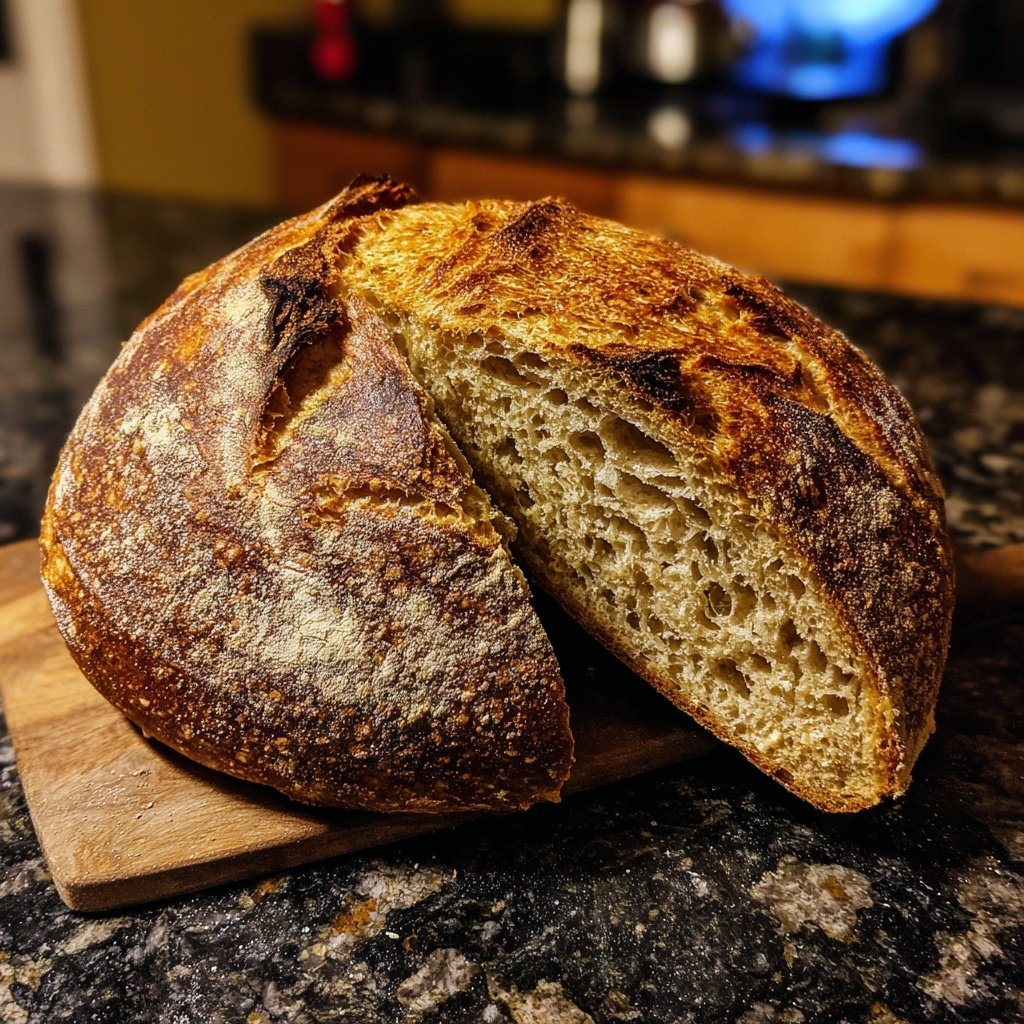
Bake the bread for 30-40 minutes or until the crust is golden brown and sounds hollow when tapped.
Cool and Serve
Remove the bread from the oven and let it cool on a wire rack before slicing. Enjoy!
For the best flavor, allow the bread to rest before slicing.
Pro Tips
- Experiment with adding herbs or garlic for a flavorful twist on this classic recipe.
Tips for Success
For best results, make sure your ingredients are at room temperature before you start. This helps the yeast activate more effectively. Additionally, using a kitchen scale to measure your flour can lead to more consistent results, as different flours can have varying weights based on how they are packed.
Don’t rush the rising process. Allowing the dough to rise until it has doubled in size is crucial for developing flavor and texture. If your kitchen is cool, consider placing the dough in a slightly warm oven (turned off) to encourage a quicker rise.
Health Benefits of Homemade Bread
Making your own bread not only allows you to control the ingredients but also offers several health benefits. Homemade bread can be made without preservatives or artificial additives, making it a healthier choice for you and your family. You'll know exactly what goes into your bread, ensuring that it’s made with wholesome, natural ingredients.
Furthermore, the process of kneading bread can be therapeutic. It’s a great way to relieve stress and connect with the food you’re preparing. Plus, the satisfaction of pulling a freshly baked loaf from the oven is unparalleled, offering a sense of accomplishment that store-bought bread simply can't match.
Questions About Recipes
→ Can I use whole wheat flour instead of all-purpose flour?
Yes, but the texture will be denser. You may need to adjust the water accordingly.
→ How can I tell if my bread is done baking?
The bread should be golden brown and sound hollow when tapped on the bottom.
→ Can I freeze the bread?
Yes, you can freeze the bread after it cools completely. Wrap it tightly in plastic wrap.
→ What should I serve with Italian bread?
It pairs beautifully with olive oil, balsamic vinegar, cheeses, or as a base for bruschetta.
Italian Bread Rustic Crusty
Created by: The Globalbitesrecipes Team
Recipe Type: Old-Fashioned Comfort Eats
Skill Level: Intermediate
Final Quantity: 1 loaf
What You'll Need
Bread Ingredients
- 4 cups all-purpose flour
- 1 1/2 cups warm water
- 2 teaspoons salt
- 1 teaspoon sugar
- 1 packet (2 1/4 teaspoons) active dry yeast
How-To Steps
In a small bowl, dissolve the sugar in warm water and sprinkle the yeast on top. Allow it to sit for about 10 minutes until foamy.
In a large mixing bowl, combine the flour and salt. Make a well in the center and pour in the yeast mixture. Stir until a rough dough forms.
Transfer the dough to a floured surface and knead for about 10 minutes until smooth and elastic.
Place the dough in a greased bowl, cover it with a damp cloth, and let it rise in a warm place for 1 hour or until doubled in size.
Punch down the risen dough and shape it into a round loaf. Place it on a baking sheet lined with parchment paper.
Cover the loaf with a cloth and let it rise again for about 30 minutes.
Preheat your oven to 450°F (230°C). Place a baking dish with water on the bottom rack to create steam.
Bake the bread for 30-40 minutes or until the crust is golden brown and sounds hollow when tapped.
Remove the bread from the oven and let it cool on a wire rack before slicing. Enjoy!
Extra Tips
- Experiment with adding herbs or garlic for a flavorful twist on this classic recipe.
Nutritional Breakdown (Per Serving)
- Calories: 350 kcal
- Total Fat: 1g
- Saturated Fat: 0g
- Cholesterol: 0mg
- Sodium: 10mg
- Total Carbohydrates: 73g
- Dietary Fiber: 3g
- Sugars: 1g
- Protein: 10g