Caramelized Citrus Spring Cake
Highlighted under: Cozy Dessert Classics
I absolutely love how vibrant and refreshing this Caramelized Citrus Spring Cake turns out! Every bite bursts with the zestiness of fresh citrus, perfectly balanced by the sweet caramel notes. We took our time to caramelize the citrus to bring out the best flavors and ensure the cake remains moist and delicious. Trust me, this cake is a wonderful way to celebrate spring, and it has quickly become a favorite in my home. I can’t wait to share this delightful treat with you!
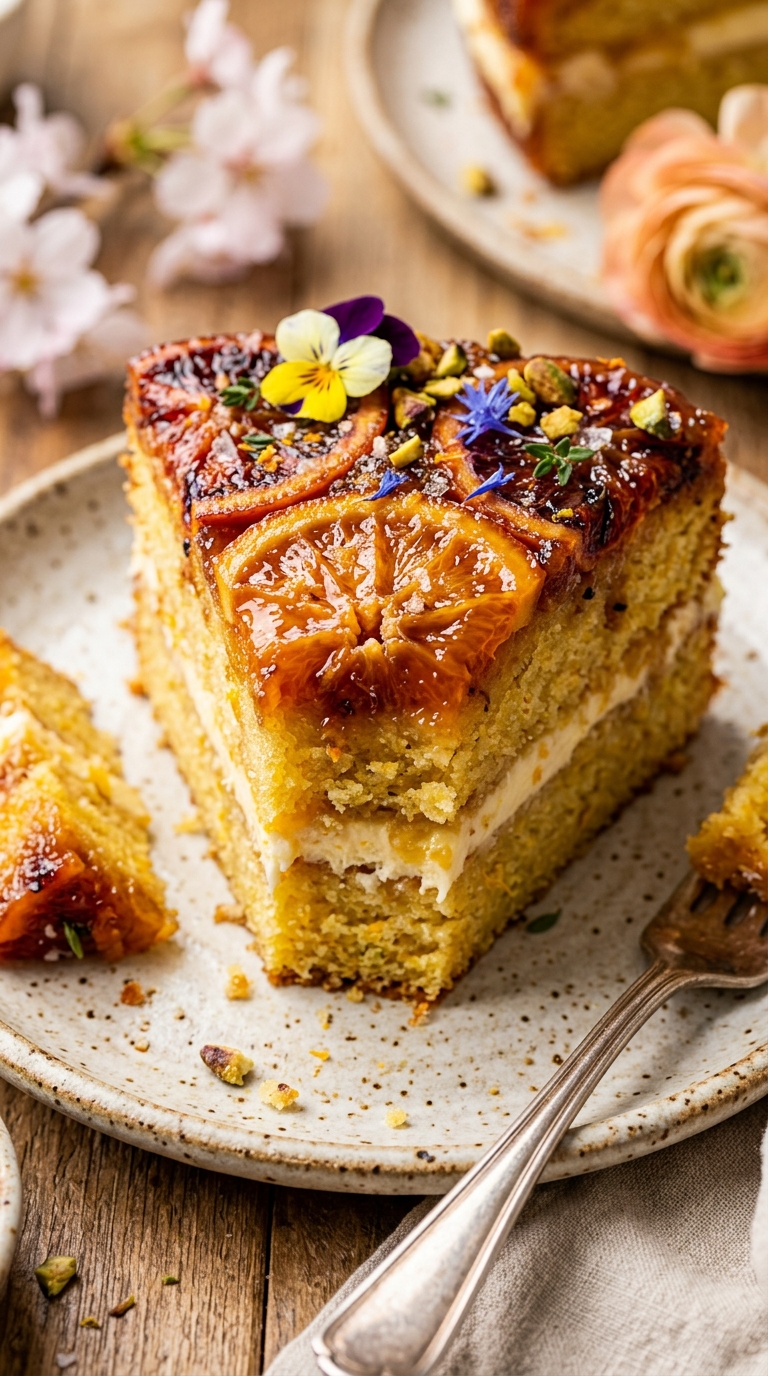
When I first made this Caramelized Citrus Spring Cake, I was amazed by the way the citrus transformed during the caramelization process. The natural sugars in the fruits developed a rich flavor that made each slice a perfect indulgence. I learned that using a mix of different citrus fruits not only brightens the cake visually, but also enhances its flavor complexity.
What really sets this cake apart is the way the citrus flavors integrate into the moist cake. I experimented with different baking times and techniques, finally landing on the perfect method that allows the cake to bake through without losing any of that delightful citrus essence. It’s truly a showstopper!
Why You'll Love This Recipe
- Bright, zesty flavors with a delightful sweetness
- Moist and tender crumb, perfect for spring gatherings
- A stunning centerpiece for any dessert table
The Importance of Caramelizing Citrus
Caramelizing citrus elevates the flavor profile of this cake by transforming the natural tartness into a rich sweetness. When heated, the sugars from the fruit break down, intensifying their flavor while creating a beautiful golden exterior. This process not only adds depth to the dish but also introduces a pleasing texture that contrasts beautifully with the moist cake. Ensure that you stir the citrus slices gently, allowing for even caramelization and preventing them from browning too quickly or burning.
When working with citrus, the freshness of the fruit is paramount. Choose firm oranges and lemons that yield slightly when pressed, indicating juiciness. Overripe citrus can risk imparting bitterness during caramelization. If oranges aren't available, feel free to experiment with other citrus varieties such as grapefruits or mandarins for a unique twist. Each brings its essence, and you'll find that the sweetness or tartness will vary accordingly.
Perfecting the Cake Texture
Achieving a moist and tender crumb in this cake is straightforward with the right technique. Creaming the butter and sugar until light and fluffy, which typically takes about 3-5 minutes, introduces air into the batter, resulting in a lighter texture. Incorporating eggs one at a time ensures a stable emulsion, contributing to the cake's structure. When alternating the dry ingredients with buttermilk, do so gently to avoid overmixing, which can lead to a dense cake.
If you want to make this cake dairy-free, substitute the buttermilk with a plant-based milk mixed with a teaspoon of vinegar or lemon juice. This will mimic the acidity found in buttermilk and still contribute to the cake's moistness. Additionally, opting for a gluten-free flour blend can work too, but be mindful that texture and flavor may vary slightly from the original recipe.
Serving and Storage Tips
This Caramelized Citrus Spring Cake shines as a centerpiece at any gathering. To serve, consider garnishing it with fresh mint leaves or a light dusting of powdered sugar for an elegant touch. Pair it with whipped cream or a dollop of mascarpone for added richness, turning each slice into a delightful dessert experience. I love serving it slightly warm, as the caramelized citrus remains sticky and flavorful.
For storage, keep any leftovers in an airtight container at room temperature for up to three days. If you want to prepare this cake ahead of time, it freezes beautifully. Wrap individual slices tightly in plastic wrap and store them in a freezer-safe bag. Thaw in the refrigerator or at room temperature before serving. Just be sure to enjoy the cake within three months for the best quality.
Ingredients
For the Cake
- 2 cups all-purpose flour
- 1 1/2 cups granulated sugar
- 1/2 cup unsalted butter, softened
- 1 cup buttermilk
- 3 large eggs
- 1 tablespoon vanilla extract
- 1 tablespoon baking powder
- 1/2 teaspoon salt
For the Caramelized Citrus
- 2 oranges, thinly sliced
- 1 lemon, thinly sliced
- 1/4 cup granulated sugar
- 2 tablespoons butter
Instructions
Prepare the Caramelized Citrus
In a skillet, melt the butter over medium heat. Add the sugar and stir until dissolved. Add the sliced citrus and cook for about 5 minutes until golden and caramelized. Set aside.
Make the Cake Batter
In a large mixing bowl, cream together the butter and sugar until light and fluffy. Add the eggs one at a time, mixing well after each addition. Stir in the vanilla. In another bowl, whisk together the flour, baking powder, and salt. Gradually add the dry ingredients to the wet mixture, alternating with the buttermilk, starting and ending with the flour mixture.
Assemble and Bake
Preheat the oven to 350°F (175°C). Grease and flour a round cake pan. Pour half the cake batter into the pan. Layer half the caramelized citrus on top, then add the remaining batter. Top with the remaining citrus slices. Bake for 35-40 minutes or until a toothpick comes out clean.
Cool and Serve
Allow the cake to cool in the pan for about 10 minutes before transferring it to a wire rack. Serve warm or at room temperature. Enjoy!
Pro Tips
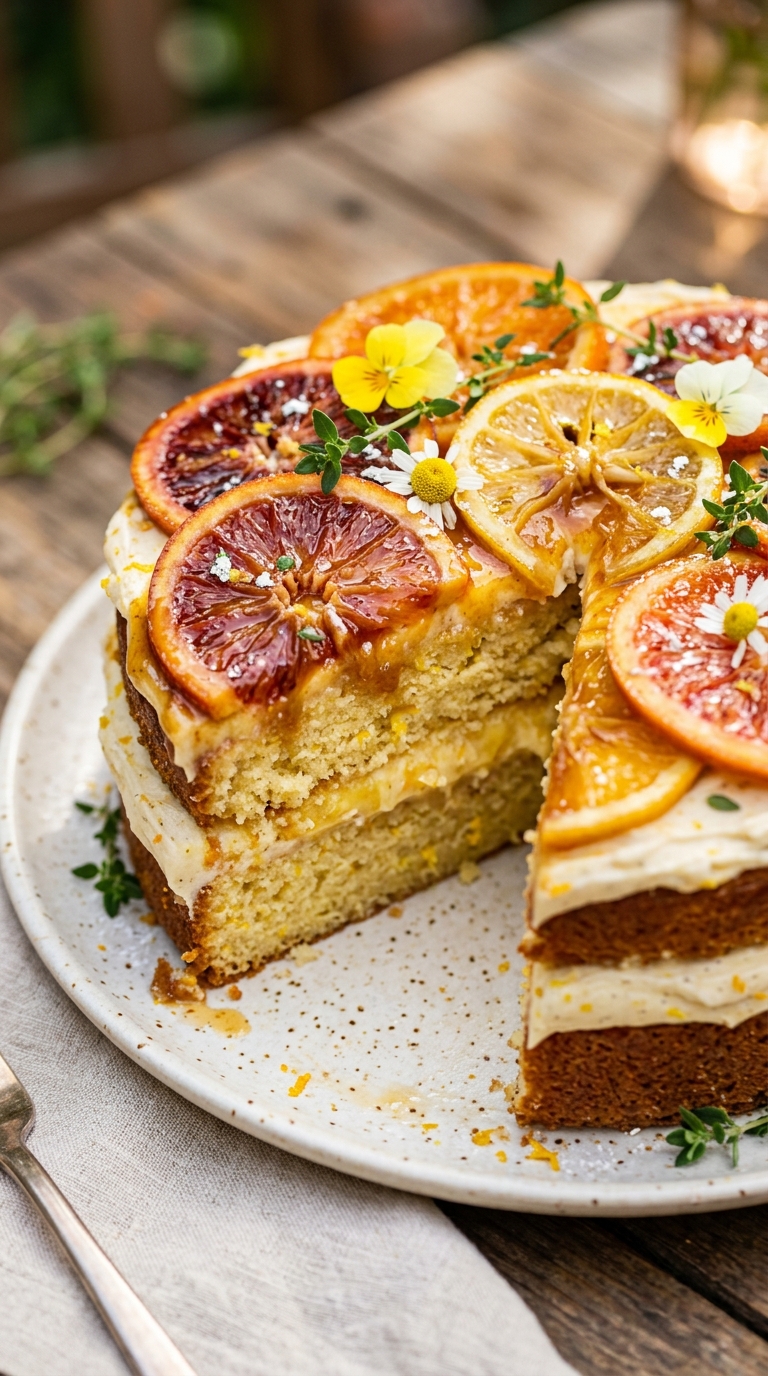
- For an extra touch, drizzle some citrus glaze over the cooled cake or serve with whipped cream for added richness.
Troubleshooting Common Issues
If your cake doesn't rise as expected, check the freshness of your baking powder. It should produce bubbles when mixed with liquid. Also, avoid opening the oven door too soon; this could cause the cake to deflate. Wait until at least halfway through the baking time to ensure a stable rise.
Another common issue could be the caramelized citrus sticking to the pan. To prevent this, make sure to grease the pan thoroughly and consider using parchment paper on the bottom. If indeed some of the citrus sticks, gently loosen it with a knife around the edges and smooth it back on top of the cake once flipped.
Variations and Customizations
Looking for a twist? Try adding some finely chopped nuts, like pistachios or almonds, to the batter for added texture and flavor. Alternatively, you could incorporate a hint of fresh herbs, such as rosemary or thyme, into the cake, which pairs beautifully with citrus.
To make this cake more decadent, consider adding a layer of cream cheese frosting between the cake layers or draping it on top. A simple mixture of cream cheese, powdered sugar, and a splash of lemon juice will complement the citrus flavors perfectly.
Questions About Recipes
→ Can I use other citrus fruits?
Yes, you can experiment with limes or grapefruits for different flavor profiles.
→ How do I store leftover cake?
Store in an airtight container at room temperature for up to three days or refrigerate for up to a week.
→ Can I make this cake gluten-free?
Absolutely! Substitute the all-purpose flour with a gluten-free blend and make sure your baking powder is gluten-free.
→ What can I serve with this cake?
This cake pairs beautifully with vanilla ice cream or a light citrus-infused whipped cream.
Caramelized Citrus Spring Cake
Created by: The Globalbitesrecipes Team
Recipe Type: Cozy Dessert Classics
Skill Level: Intermediate
Final Quantity: 8 slices
What You'll Need
For the Cake
- 2 cups all-purpose flour
- 1 1/2 cups granulated sugar
- 1/2 cup unsalted butter, softened
- 1 cup buttermilk
- 3 large eggs
- 1 tablespoon vanilla extract
- 1 tablespoon baking powder
- 1/2 teaspoon salt
For the Caramelized Citrus
- 2 oranges, thinly sliced
- 1 lemon, thinly sliced
- 1/4 cup granulated sugar
- 2 tablespoons butter
How-To Steps
In a skillet, melt the butter over medium heat. Add the sugar and stir until dissolved. Add the sliced citrus and cook for about 5 minutes until golden and caramelized. Set aside.
In a large mixing bowl, cream together the butter and sugar until light and fluffy. Add the eggs one at a time, mixing well after each addition. Stir in the vanilla. In another bowl, whisk together the flour, baking powder, and salt. Gradually add the dry ingredients to the wet mixture, alternating with the buttermilk, starting and ending with the flour mixture.
Preheat the oven to 350°F (175°C). Grease and flour a round cake pan. Pour half the cake batter into the pan. Layer half the caramelized citrus on top, then add the remaining batter. Top with the remaining citrus slices. Bake for 35-40 minutes or until a toothpick comes out clean.
Allow the cake to cool in the pan for about 10 minutes before transferring it to a wire rack. Serve warm or at room temperature. Enjoy!
Extra Tips
- For an extra touch, drizzle some citrus glaze over the cooled cake or serve with whipped cream for added richness.
Nutritional Breakdown (Per Serving)
- Calories: 350 kcal
- Total Fat: 15g
- Saturated Fat: 9g
- Cholesterol: 80mg
- Sodium: 180mg
- Total Carbohydrates: 52g
- Dietary Fiber: 2g
- Sugars: 30g
- Protein: 3g