Milk Bread Fluffy
Highlighted under: Cozy Dessert Classics
It was a rainy Sunday afternoon, and I craved something warm and comforting, something that reminded me of my childhood. I decided to make fluffy milk bread, the kind that’s light yet satisfying. Honestly, I wasn't entirely sure how it would turn out since baking bread is always a bit of a gamble for me. But after experimenting a bit with the process, I ended up with a soft, airy loaf that was just what I needed. There's nothing like the smell of fresh bread wafting through the house, and this one definitely hit the spot.
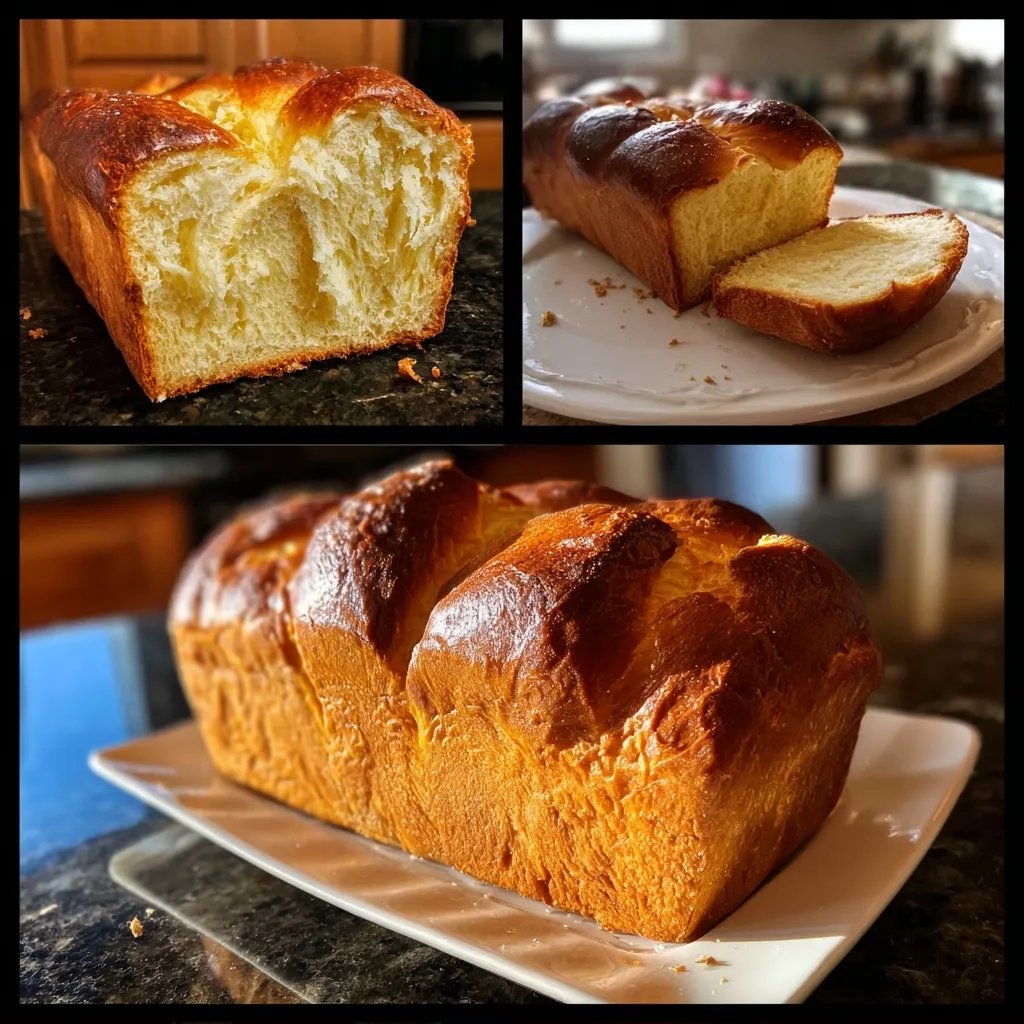
After my first attempt at making milk bread ended up being a bit of a disaster—my dough was way too sticky, and I ended up with a flat loaf—I learned a valuable lesson. I hadn't realized how crucial the kneading process was. It turned out that not kneading it enough led to a bread that just wouldn't rise properly. Once I figured out the right amount of kneading and how to judge the dough's texture, everything changed.
Every time I bake this bread, I keep a close eye on the rise and feel a sense of nostalgia when I pull it out of the oven. There’s something so satisfying about watching that beautiful dome form. I often toast slices for breakfast, slathering on a bit of butter and jam, and it feels like a warm hug on a plate.
Why This Works So Well
- The bread is soft enough to double as sandwich bread or toast.
- You probably have most ingredients on hand already.
- It makes amazing French toast if you have leftovers.
Choosing Your Ingredients
When it comes to milk bread, the ingredients are pretty straightforward. All-purpose flour is a must for that lovely soft texture. If you want, you can try bread flour to give it a chewier bite, but I usually stick to what I have in my pantry. Whole milk adds richness and helps in achieving that fluffy crumb, but honestly, I’ve had good results with 2% too—it’s just less creamy.
Don’t skimp on the yeast! Make sure your yeast is fresh; if it’s been sitting in your pantry for too long, it might not activate properly. That lil’ packet of sugar helps get it going, while the egg contributes to the bread's fantastic color and yumminess. I generally use unsalted butter because it gives me more control over the saltiness of the dough.
A Quick Note on Milk Bread Fluffy
I find that the first rise is crucial for the texture of your bread, so don’t rush it. If your kitchen is chilly, you can create a little warmth by turning on the oven for a quick minute, then switching it off before placing the dough inside. Just make sure to cover it well, so it stays cozy! I promise, the smell of bread rising is one of the best feelings.
Though I suggest shaping into a loaf, you can also make dinner rolls if you’re feeling fancy. Just divide the dough into smaller pieces after the first rise, shape them into balls, and let them rise again. It’s like giving your bread a makeover. And let’s be real—nothing beats tearing into fresh, soft rolls right out of the oven.
Ingredients
Gather these ingredients before you start:
For the Dough
- 3 cups all-purpose flour
- 1 cup whole milk, warmed
- 2 tablespoons sugar
- 1 packet (2 1/4 teaspoons) active dry yeast
- 1 teaspoon salt
- 2 tablespoons unsalted butter, softened (I like using Kerrygold)
- 1 large egg
For Topping (Optional)
- 1 egg (for egg wash)
- Sesame seeds or poppy seeds (for sprinkling)
Make sure everything is fresh for the best results!
Instructions
Follow these steps to make your fluffy milk bread:
Activate the Yeast
In a small bowl, mix the warm milk, sugar, and yeast. Let it sit for about 10 minutes until it gets frothy.
Combine Dry Ingredients
In a large mixing bowl, whisk together the flour and salt. This helps distribute the salt evenly, which is important.
Mix Ingredients
Add the egg and softened butter to the frothy yeast mixture, then pour it into the dry ingredients. Stir until you get a shaggy dough.
Knead the Dough
On a lightly floured surface, knead the dough for about 8-10 minutes until it’s smooth and elastic. If it’s too sticky, sprinkle a bit more flour, but be careful not to add too much.
First Rise
Place the kneaded dough in a greased bowl, cover it with a kitchen towel, and let it rise in a warm spot for about an hour, or until it doubles in size.
Shape the Dough
Once risen, punch it down gently and shape it into a loaf. Place the shaped dough into a greased loaf pan.
Second Rise
Cover the loaf again and let it rise for another 30-40 minutes until it looks puffy.
Preheat and Brush with Egg
While the dough is rising, preheat your oven to 350°F (175°C). Brush the top of the loaf with beaten egg for a lovely golden crust.
Bake
Bake the loaf for about 25 minutes. You’ll know it’s done when it’s golden on top and sounds hollow when tapped on the bottom.
Cool
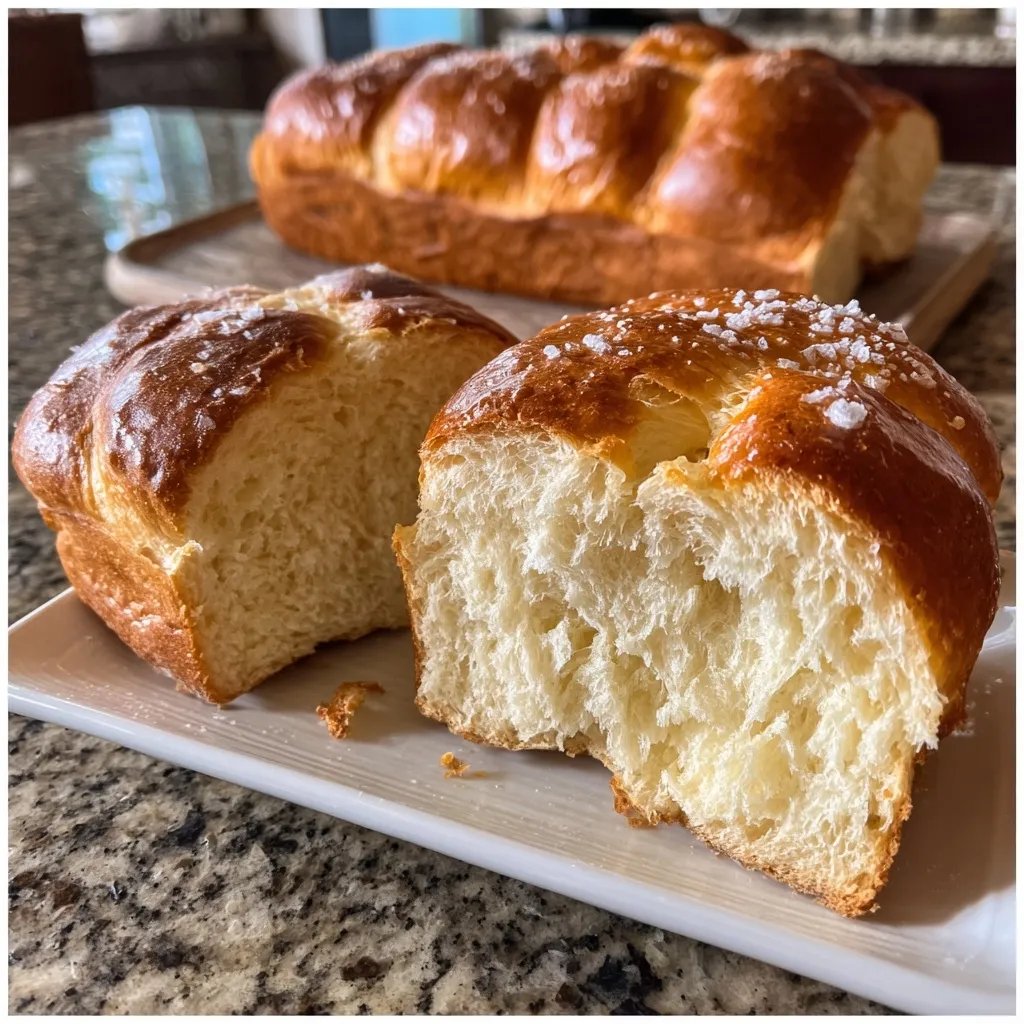
Let it cool in the pan for about 10 minutes, then turn it out onto a wire rack. Try to resist the temptation to cut it right away—I know it’s hard!
Once cooled, feel free to slice and enjoy!
Pro Tips
- If your kitchen is cold, try putting the dough in a turned-off oven with the light on to help it rise.
- You can experiment with adding in things like garlic or cheese to the dough for extra flavor.
- Make sure your yeast is fresh; expired yeast means flat bread.
- Using a kitchen scale for measuring flour can lead to more consistent results.
Milk Bread Fluffy Leftovers Plan
If you happen to have some bread left over, you're in for a treat! This bread makes fantastic French toast. Just slice it thick, dip it in a mixture of eggs and milk, and cook it on a skillet until golden and crispy. If I'm feeling adventurous, I might even sprinkle in some cinnamon or vanilla extract for a warm twist.
Another great way to use leftovers is by making a simple bread pudding. Tear the bread into pieces, mix with eggs, milk, and some sugar, then bake it until it’s set. It’s a wonderful way to repurpose bread without it going to waste, and it feels like a warm hug on a chilly day.
Dietary Swaps
If you’re looking to switch things up a bit, you can replace the whole milk with almond or oat milk—just know that the texture may vary slightly. I’ve done this a few times in the past, and it still turns out pretty tasty. For a dairy-free version, consider using plant-based butter as a substitute.
As for the egg, you can use a flax egg (mix one tablespoon of ground flaxseed with three tablespoons of water) or applesauce to bind it together. I’ve tried a few alternatives over the years, and while the bread may not be quite as fluffy, it still gets the job done.
Questions About Recipes
→ Can I use almond milk instead of whole milk?
You can, but I wouldn't recommend it for this specific recipe. The milk provides important moisture and fat that keep the bread soft.
→ How do I know when the dough is ready to rise?
You'll know it’s ready when it has about doubled in size and feels light and airy. It should also spring back when you poke it gently.
→ What should I do if my bread didn't rise?
Honestly, check your yeast. If it wasn't fresh, that's likely the culprit. If everything else was fine, just give the dough a bit more time in a warm spot.
→ Can I freeze the bread?
Absolutely! Make sure to wrap it well in plastic wrap and then foil before freezing. It’ll last for about 2 months in the freezer.
Milk Bread Fluffy
Created by: The Globalbitesrecipes Team
Recipe Type: Cozy Dessert Classics
Skill Level: Intermediate
Final Quantity: 1.0
What You'll Need
For the Dough
- 3 cups all-purpose flour
- 1 cup whole milk, warmed
- 2 tablespoons sugar
- 1 packet (2 1/4 teaspoons) active dry yeast
- 1 teaspoon salt
- 2 tablespoons unsalted butter, softened (I like using Kerrygold)
- 1 large egg
For Topping (Optional)
- 1 egg (for egg wash)
- Sesame seeds or poppy seeds (for sprinkling)
How-To Steps
In a small bowl, mix the warm milk, sugar, and yeast. Let it sit for about 10 minutes until it gets frothy.
In a large mixing bowl, whisk together the flour and salt. This helps distribute the salt evenly, which is important.
Add the egg and softened butter to the frothy yeast mixture, then pour it into the dry ingredients. Stir until you get a shaggy dough.
On a lightly floured surface, knead the dough for about 8-10 minutes until it’s smooth and elastic. If it’s too sticky, sprinkle a bit more flour, but be careful not to add too much.
Place the kneaded dough in a greased bowl, cover it with a kitchen towel, and let it rise in a warm spot for about an hour, or until it doubles in size.
Once risen, punch it down gently and shape it into a loaf. Place the shaped dough into a greased loaf pan.
Cover the loaf again and let it rise for another 30-40 minutes until it looks puffy.
While the dough is rising, preheat your oven to 350°F (175°C). Brush the top of the loaf with beaten egg for a lovely golden crust.
Bake the loaf for about 25 minutes. You’ll know it’s done when it’s golden on top and sounds hollow when tapped on the bottom.
Let it cool in the pan for about 10 minutes, then turn it out onto a wire rack. Try to resist the temptation to cut it right away—I know it’s hard!
Extra Tips
- If your kitchen is cold, try putting the dough in a turned-off oven with the light on to help it rise.
- You can experiment with adding in things like garlic or cheese to the dough for extra flavor.
- Make sure your yeast is fresh; expired yeast means flat bread.
- Using a kitchen scale for measuring flour can lead to more consistent results.
Nutritional Breakdown (Per Serving)
- Calories (kcal): 130
- Total Fat (g): 3.5
- Saturated Fat (g): 1.5
- Cholesterol (mg): 33
- Sodium (mg): 145
- Total Carbohydrates (g): 22
- Dietary Fiber (g): 1
- Sugars (g): 1
- Protein (g): 4