Cacio E Pepe
Highlighted under: Simple Speedy Plates
Simplicity at its best, this dish means pure joy on a plate. Picture spaghetti coated in a creamy, cheesy sauce, with just the right kick of black pepper. It smells amazing while cooking, filling the kitchen with warmth. I often turn to this recipe after a long day; it’s comforting and takes hardly any time. Plus, it’s a great way to impress guests without spending hours in the kitchen. Seriously, what's better than pasta that’s both easy and elegant?
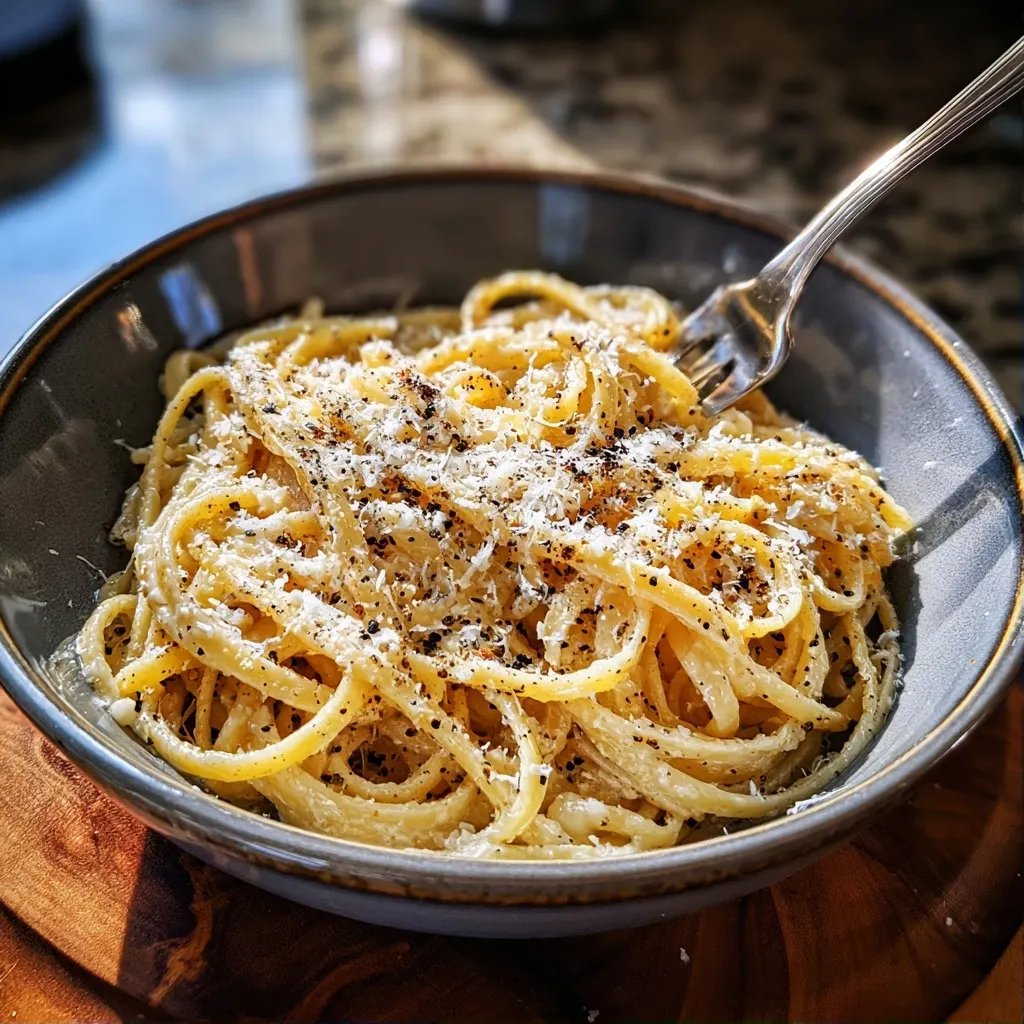
I remember the first time I made Cacio E Pepe. It was one of those rainy Saturday evenings when the last thing I wanted was to brave the grocery store. I dug through my pantry and found some pasta, parmesan, and black pepper. Honestly, I thought I was taking a gamble with such a simple recipe, but it turned out to be a cozy delight.
Since then, this dish has been a staple in my home. I love how the cheese and pepper come together for a rich sauce without being overly complicated. I did have a mishap once when I added too much pasta water, and while it was a little runny, we still enjoyed every bite. Next time, I'll definitely be more careful with the water.
Why I Keep Making This
- Quick to make on busy nights
- Few ingredients mean fewer dishes
- It's always a crowd-pleaser with friends
Getting the Texture Right for Cacio E Pepe
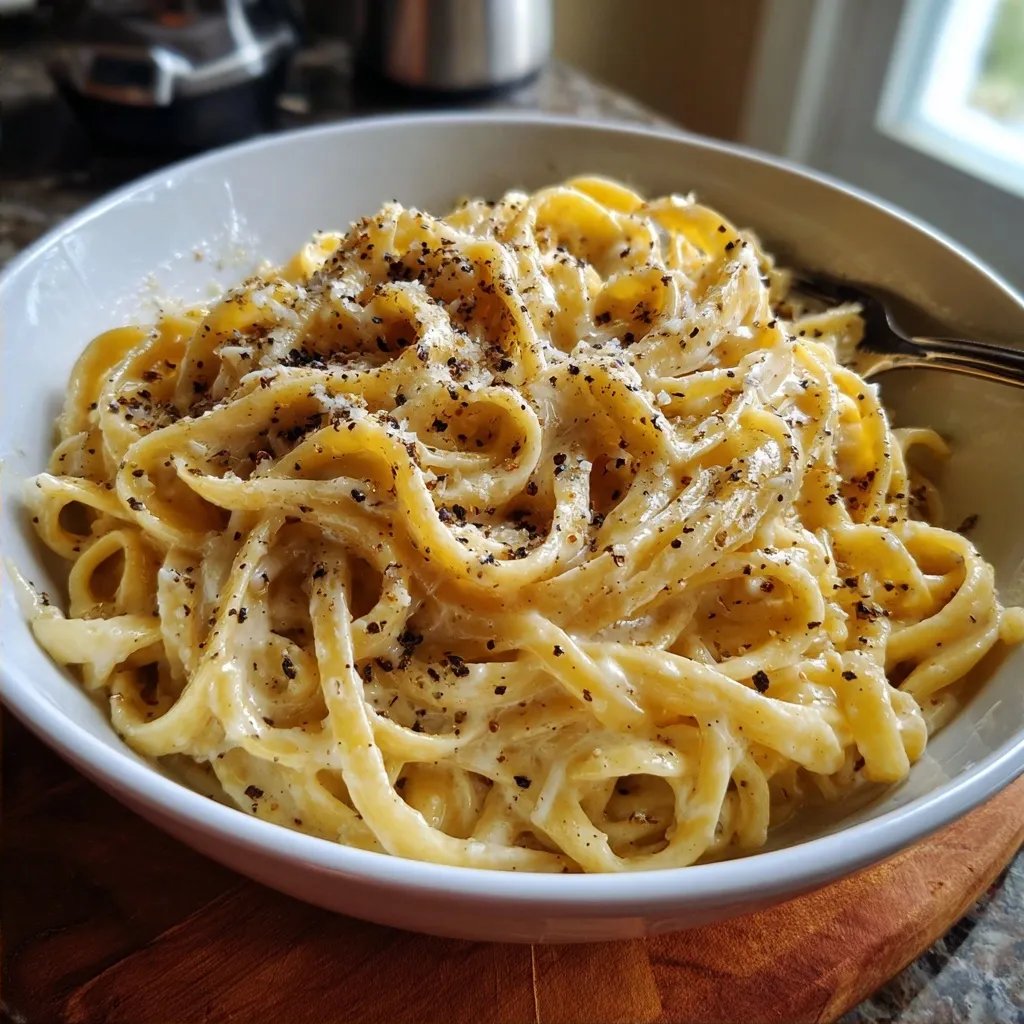
The magic of Cacio E Pepe lies not just in the ingredients but in the technique. When you’re mixing the pasta with the cheese and pepper, adding pasta water a little at a time is key. This step helps you to achieve that creamy, luscious sauce without making it too watery. You want it to cling to the spaghetti. Watch closely for that glossy finish, which usually takes about 2-3 minutes of tossing the mixture.
If you find that your sauce isn’t coming together as you hoped, don’t worry. Just keep adding a small splash of pasta cooking water while stirring constantly. If it gets too sticky, a tablespoon of olive oil can help loosen it up. I learned this the hard way, so consider this tip your secret weapon.
Ingredient Notes
Pecorino Romano is definitely the star here, but not everyone might have it on hand. If you need a substitute, Parmigiano-Reggiano works decently if you’re in a pinch, although the flavor will be milder. Just make sure it’s freshly grated because pre-grated cheese tends to clump and won’t melt as nicely.
The quality of your spaghetti makes a difference, too. I usually go for something like a bronze-extruded pasta, as it holds sauce better thanks to its texture. Cooking it to that ideal al dente is important; you want that slight chew to balance the creaminess of the sauce.
Ingredients
Cacio E Pepe Ingredients
- 400g spaghetti
- 100g Pecorino Romano cheese, freshly grated
- 50g unsalted butter
- 1 tablespoon freshly cracked black pepper
- Salt for pasta water
Make sure to use quality cheese, it makes all the difference.
Instructions
Cook the Pasta
Bring a large pot of salted water to a boil. Add the spaghetti and cook according to package instructions until al dente, usually about 8-10 minutes. I like my pasta with a bit of a bite, but if you prefer it softer, feel free to adjust.
Prepare the Cheese and Pepper
In a bowl, combine the grated Pecorino Romano and black pepper. Mix them well so the pepper is evenly distributed. Honestly, I like to add a little extra pepper because I love that kick, so feel free to adjust according to your taste.
Combine Pasta and Sauce
Once the pasta is ready, reserve about a cup of cooking water before draining. In the same pot, melt the butter over low heat. Add the drained spaghetti, then toss it with the cheese mixture, adding pasta water a bit at a time until it creates a creamy sauce. Keep stirring or it might clump up; that’s a rookie mistake I’ve made a few times.
Serve Up
Plate the pasta and sprinkle with extra cheese and cracked pepper on top. Enjoy right away while it’s hot and creamy. You’ll know it’s ready when it looks glossy and a bit silky. Trust me, it disappears fast!
Feel free to adjust the cheese amount based on how cheesy you want it!
Troubleshooting
If your pasta is too salty when served, it could be from the salted water or the Pecorino Romano. Don’t fret, mixing in a touch of unsalted butter or a splash of cream can help tone it down. Trying to fix flavors while cooking can be tricky, so always taste as you go to gauge what adjustments you might need.
Another common issue is the sauce clumping together instead of becoming creamy. If that happens, it usually means you didn’t add enough pasta water. Just grab a bit more and keep stirring. If you’re still struggling, try turning down the heat. Low and slow is often the trick here.
Cacio E Pepe Variations Worth Trying
While the classic Cacio E Pepe is fantastic by itself, sometimes I enjoy adding a hint of lemon zest for a refreshing twist. Just a teaspoon at the end can brighten everything up, especially during warmer months. Another variation is to toss in some sautéed greens like spinach or arugula; they not only add color but also a little extra nutrition.
If you’re feeling adventurous, a pinch of red pepper flakes can give your dish a nice heat without overpowering the classic flavors. I recommend starting small and adjusting to your heat preference. And for those who enjoy a bit of texture, toasting some walnuts or pine nuts to sprinkle on top adds a nice crunch.
Questions About Recipes
→ Can I use other types of cheese instead of Pecorino Romano?
You can, but I wouldn't recommend it. Pecorino has that distinct sharpness that truly makes this dish special. If needed, a good Parmesan could work in a pinch, but keep the flavors in mind.
→ How do I store leftovers?
Leftovers can be stored in the fridge for 2-3 days in an airtight container. Just a heads-up, it tends to lose its creaminess, but a bit of reheating with a splash of water can help bring it back.
→ Is it okay to use pre-grated cheese?
Honestly, I skip this half the time. Pre-grated cheese often has anti-caking agents, and it's just not as creamy. But if you’re in a rush, it’s okay to use. Just don’t expect the same creaminess.
→ What else can I add to this dish?
I love to throw in some sautéed mushrooms or even a bit of crispy pancetta for extra flavor. Just be careful not to overwhelm the dish since it's all about that simple, lovely sauce.
→ How can I make this dish gluten-free?
You can use gluten-free pasta. Just keep an eye on the cooking time, as it can differ a bit from regular pasta. The rest of the recipe stays the same.
Cacio E Pepe
Created by: The Globalbitesrecipes Team
Recipe Type: Simple Speedy Plates
Skill Level: easy
Final Quantity: 4.0
What You'll Need
Cacio E Pepe Ingredients
- 400g spaghetti
- 100g Pecorino Romano cheese, freshly grated
- 50g unsalted butter
- 1 tablespoon freshly cracked black pepper
- Salt for pasta water
How-To Steps
Bring a large pot of salted water to a boil. Add the spaghetti and cook according to package instructions until al dente, usually about 8-10 minutes. I like my pasta with a bit of a bite, but if you prefer it softer, feel free to adjust.
In a bowl, combine the grated Pecorino Romano and black pepper. Mix them well so the pepper is evenly distributed. Honestly, I like to add a little extra pepper because I love that kick, so feel free to adjust according to your taste.
Once the pasta is ready, reserve about a cup of cooking water before draining. In the same pot, melt the butter over low heat. Add the drained spaghetti, then toss it with the cheese mixture, adding pasta water a bit at a time until it creates a creamy sauce. Keep stirring or it might clump up; that’s a rookie mistake I’ve made a few times.
Plate the pasta and sprinkle with extra cheese and cracked pepper on top. Enjoy right away while it’s hot and creamy. You’ll know it’s ready when it looks glossy and a bit silky. Trust me, it disappears fast!
Nutritional Breakdown (Per Serving)
- Calories (kcal): 600
- Total Fat (g): 25.3
- Saturated Fat (g): 14.4
- Cholesterol (mg): 66
- Sodium (mg): 222
- Total Carbohydrates (g): 74.8
- Dietary Fiber (g): 3.3
- Sugars (g): 1.4
- Protein (g): 21.2